
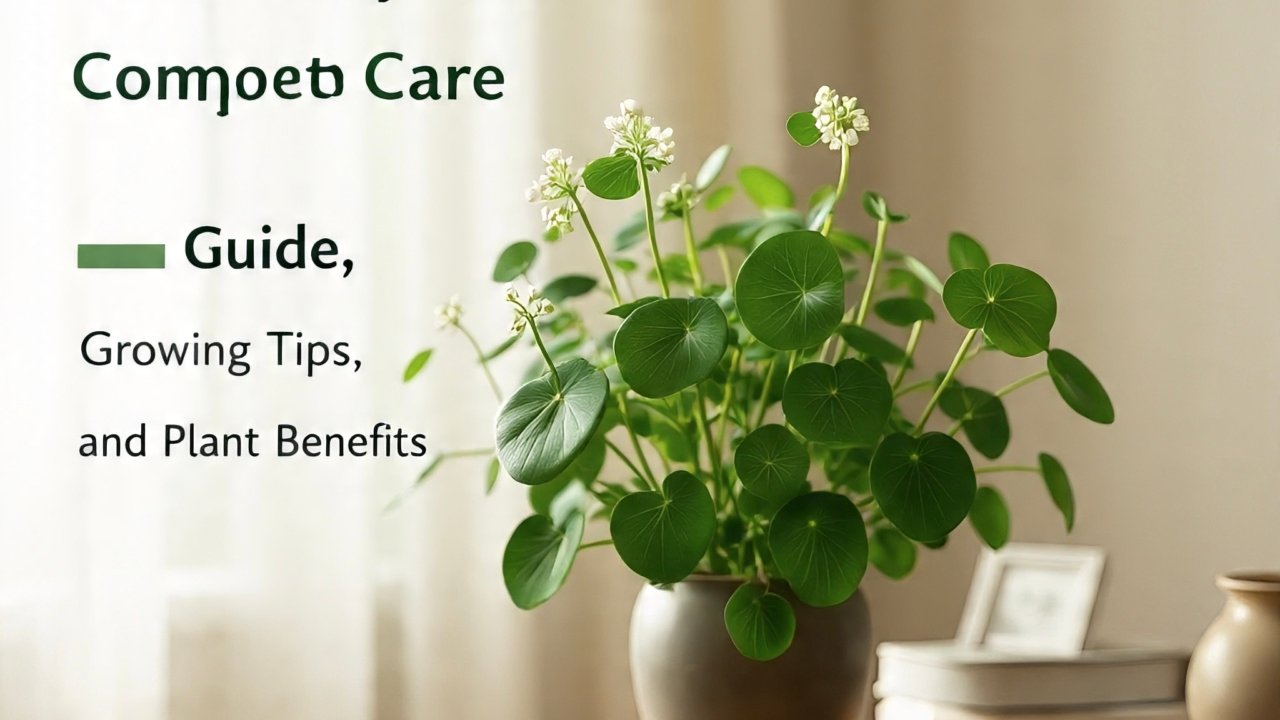
The Moon Valley Pilea is one of the most eye-catching houseplants you can grow indoors. With its deeply textured leaves, bright green color, and unique reddish undersides, this plant easily stands out in any room. Plant lovers admire it for its compact size, bold foliage, and low-maintenance nature.
Botanically known as Pilea mollis, this plant belongs to the nettle family and originates from Central and South America. Many people also call it the “Friendship Plant” because it grows quickly and you can easily propagate it to share with friends.
In this detailed guide, you will learn everything about Moon Valley Pilea care, watering, light requirements, soil needs, propagation methods, common problems, and styling ideas. Whether you are a beginner or an experienced plant parent, this guide will help you grow a healthy and vibrant plant.
What Is Moon Valley Pilea?
Moon Valley Pilea is a tropical foliage plant known for its heavily textured, quilted leaves. The leaves look almost crinkled or wrinkled, which gives the plant its “moon valley” name. The surface is bright green while the veins appear darker, creating a dramatic contrast.
Unlike tall houseplants, Moon Valley Pilea grows in a compact and bushy shape. It usually reaches 8–12 inches in height, which makes it perfect for desks, shelves, and small indoor spaces.
Because of its tropical origin, the plant thrives in warm temperatures and moderate humidity. It does not require complicated care routines, making it ideal for indoor gardeners who want a decorative but manageable plant.
Light Requirements for Moon Valley Pilea
Proper lighting is essential for healthy growth.
Moon Valley Pilea prefers bright, indirect light. Place it near a window where sunlight filters through curtains. Direct sunlight can burn the leaves and cause discoloration.
If the plant does not receive enough light, you may notice:
- Slower growth
- Smaller leaves
- Leggy stems
However, too much direct sunlight can:
- Fade the leaf color
- Cause brown patches
- Dry out the soil quickly
An east-facing window usually works best. If you only have a south-facing window, keep the plant a few feet away from direct rays.
Watering Guide: How Often Should You Water?
Watering correctly keeps your Moon Valley Pilea healthy and prevents root problems.
You should water when the top 1 inch of soil feels dry. Do not let the plant sit in soggy soil. Overwatering is the most common mistake and can cause root rot.
Here is a simple watering routine:
- Check soil weekly
- Water thoroughly until water drains from the bottom
- Empty the drainage tray after watering
During summer, the plant may need water more frequently. In winter, reduce watering because growth slows down.
If leaves turn yellow and feel soft, you may be overwatering. If leaves look droopy and dry, the plant likely needs water.
Best Soil and Potting Mix
Moon Valley Pilea needs well-draining soil. Regular garden soil does not work well because it holds too much moisture.
Use a light potting mix that contains:
- Peat moss or coco coir
- Perlite for drainage
- Organic compost for nutrients
Good drainage prevents water from collecting around roots. Always choose a pot with drainage holes.
Repot the plant every 1–2 years or when you notice roots growing out of the drainage holes. Spring is the best time for repotting because the plant actively grows during this season.
Temperature and Humidity Needs
Because Moon Valley Pilea is a tropical plant, it prefers warm indoor conditions.
Ideal temperature range:
- 60°F to 80°F (16°C to 27°C)
Keep it away from:
- Cold drafts
- Air conditioners
- Heaters
Humidity plays an important role in maintaining healthy foliage. If your indoor air feels dry, you can:
- Mist the plant lightly
- Use a humidity tray
- Place a small humidifier nearby
Dry air can cause crispy leaf edges.
Fertilizing Moon Valley Pilea
You can fertilize your plant during the growing season (spring and summer).
Use a balanced liquid fertilizer diluted to half strength once a month. Avoid over-fertilizing because it can damage roots and cause salt buildup in the soil.
Do not fertilize in winter since the plant enters a slower growth phase.
How to Propagate Moon Valley Pilea
Propagation is easy and one of the most enjoyable parts of growing this plant.
You can propagate using stem cuttings:
- Choose a healthy stem with at least two leaves
- Cut just below a node
- Place the cutting in water or moist soil
- Keep it in bright, indirect light
- Wait for roots to develop (2–4 weeks)
Once roots grow strong enough, transfer the cutting into soil.
Because propagation is simple, many people share this plant with friends, which explains its nickname as a friendship plant.
Common Problems and Solutions
Even though Moon Valley Pilea is easy to care for, you may face some issues.
1. Yellow Leaves
Cause: Overwatering
Solution: Reduce watering and check drainage
2. Brown Leaf Edges
Cause: Low humidity
Solution: Increase humidity levels
3. Leggy Growth
Cause: Insufficient light
Solution: Move plant closer to a bright window
4. Drooping Leaves
Cause: Underwatering or sudden temperature change
Solution: Adjust watering schedule and stabilize environment
Inspect your plant regularly to catch problems early.
Is Moon Valley Pilea Safe for Pets?
Moon Valley Pilea is generally considered non-toxic to cats and dogs, making it a safer choice compared to many other houseplants. However, it is always best to keep plants out of reach of pets to prevent chewing or damage.
If your pet ingests any plant material and shows unusual symptoms, consult a veterinarian immediately.
Styling Ideas for Your Home
Because of its compact shape and dramatic texture, Moon Valley Pilea works beautifully in small decorative spaces.
You can place it:
- On office desks
- On floating shelves
- In kitchen corners
- On bedside tables
Pair it with minimal ceramic pots to highlight its bright foliage. It also looks great alongside other textured plants for contrast.
Benefits of Growing Moon Valley Pilea
Growing this plant offers several benefits:
- Enhances indoor aesthetics
- Requires low maintenance
- Easy to propagate
- Compact size fits small spaces
- Adds a tropical touch to interiors
Although it is not a heavy air purifier, it still contributes to a fresher indoor environment by increasing humidity slightly.
Seasonal Care Tips
Spring & Summer
- Increase watering slightly
- Fertilize monthly
- Provide bright light
Fall & Winter
- Reduce watering
- Stop fertilizing
- Protect from cold drafts
Seasonal adjustments help maintain healthy growth throughout the year.
Final Thoughts
Moon Valley Pilea is a stunning and beginner-friendly houseplant. Its textured leaves, vibrant color, and compact growth make it perfect for modern indoor spaces. With proper lighting, moderate watering, and occasional feeding, you can keep this plant thriving for years.
If you want a decorative plant that does not demand constant attention, Moon Valley Pilea is an excellent choice. Start with the basics outlined in this guide, monitor your plant regularly, and enjoy watching it grow beautifully in your home.