
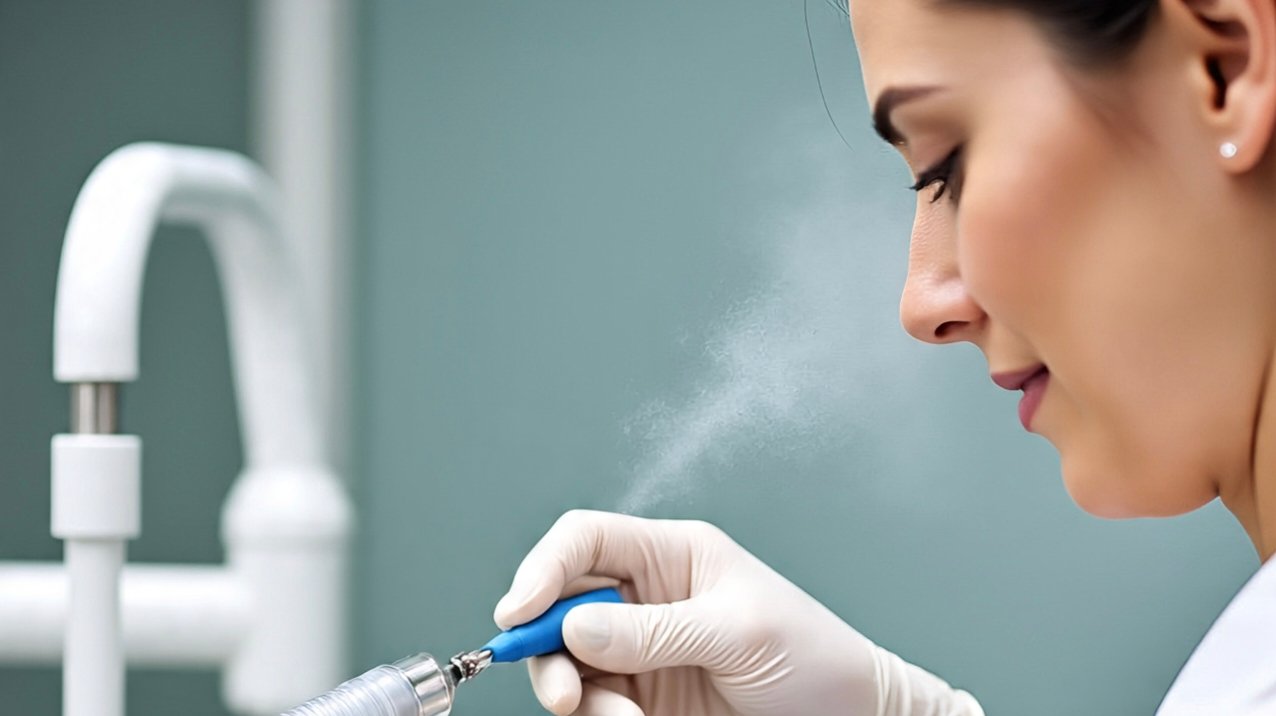
Dentistry continues to evolve with technology that improves patient comfort, treatment efficiency, and clinical results. One of the most innovative developments in preventive dental care is airway polishing. Dental professionals now use this advanced cleaning method to remove plaque, stains, and biofilm more gently and effectively than traditional polishing techniques.
If you want brighter teeth, healthier gums, and a more comfortable cleaning experience, airway polishing may be the solution. In this comprehensive guide, you will learn what airway polishing is, how it works, its benefits, costs, safety considerations, and how it compares to traditional dental polishing.
What Is Airway Polishing?
Airway polishing (often called air polishing in dentistry) is a modern dental cleaning technique that uses a controlled stream of air, warm water, and fine powder particles to remove plaque, stains, and biofilm from teeth.
Unlike traditional rubber cup polishing, which uses a spinning brush and abrasive paste, airway polishing uses pressurized airflow to gently clean the tooth surface.
Dentists and hygienists commonly perform this treatment during routine dental cleanings in professional clinics.
How Airway Polishing Works
Airway polishing systems combine three main components:
- Compressed air
- Warm water
- Specially formulated polishing powder
The device sprays a fine mixture onto the teeth. The powder particles break apart plaque and stains without damaging enamel.
Most modern dental clinics use advanced air polishing units manufactured by companies such as EMS Dental and Dentsply Sirona.
These systems allow clinicians to precisely control pressure and powder flow, ensuring safety and comfort.
What Is Dental Biofilm?
To understand airway polishing, you must understand biofilm.
Biofilm is a sticky layer of bacteria that constantly forms on teeth. If not removed, it can cause:
- Tooth decay
- Gum disease
- Bad breath
- Inflammation
Traditional brushing removes some biofilm, but professional cleaning removes it more thoroughly.
Airway polishing effectively disrupts and removes biofilm even in hard-to-reach areas.
Types of Powders Used in Airway Polishing
The polishing powder determines how gentle or abrasive the treatment will be.
1. Sodium Bicarbonate
- Stronger abrasive effect
- Removes heavy stains
- Suitable for supragingival (above gum) cleaning
2. Glycine Powder
- Fine particle size
- Gentle on soft tissues
- Safe for subgingival (below gum) cleaning
3. Erythritol Powder
- Ultra-fine particles
- Minimal abrasion
- Excellent for periodontal maintenance
Dental professionals choose the powder based on patient needs.
Benefits of Airway Polishing
Airway polishing offers multiple advantages over traditional polishing.
1. Greater Comfort
Patients often report less discomfort compared to rubber cup polishing. The treatment feels smoother and quicker.
2. Faster Cleaning
Air polishing removes stains more efficiently, reducing chair time.
3. Better Stain Removal
It effectively removes stains caused by:
- Coffee
- Tea
- Red wine
- Tobacco
4. Safer for Enamel
Fine powders minimize abrasion and protect tooth enamel.
5. Ideal for Orthodontic Patients
Patients with braces benefit greatly because airflow reaches around brackets and wires.
6. Improved Gum Health
Gentle subgingival cleaning supports periodontal therapy.
Airway Polishing vs Traditional Polishing
Let’s compare both techniques:
| Feature | Airway Polishing | Traditional Polishing |
| Method | Air, water, powder | Rubber cup & paste |
| Comfort | High | Moderate |
| Speed | Fast | Slower |
| Stain Removal | Superior | Moderate |
| Enamel Abrasion | Minimal | Slightly higher |
| Orthodontic Friendly | Yes | Less effective |
Many modern clinics now prefer airway polishing as part of guided biofilm therapy.
Who Should Consider Airway Polishing?
Airway polishing works well for:
- Patients with surface stains
- Smokers
- Coffee and tea drinkers
- Orthodontic patients
- Periodontal maintenance patients
- Individuals with sensitive teeth
However, dentists evaluate each patient individually before recommending treatment.
Who Should Avoid Airway Polishing?
Airway polishing may not be suitable for:
- Patients with severe respiratory disorders
- Individuals on sodium-restricted diets (when sodium bicarbonate is used)
- Patients with infectious diseases requiring special precautions
Always consult your dentist before undergoing treatment.
Airway Polishing Procedure Step-by-Step
Here’s what typically happens during the appointment:
- Dental examination
- Protective eyewear placement
- Lip balm application to prevent dryness
- Isolation of treatment area
- Air polishing spray application
- Rinse and suction
- Final inspection
The entire procedure usually takes 15–30 minutes.
Is Airway Polishing Safe?
Yes, when performed by trained dental professionals, airway polishing is safe and clinically approved.
Modern systems regulate pressure carefully. Dentists follow infection control protocols recommended by organizations such as the American Dental Association.
Side effects are rare but may include mild gum sensitivity.
Does Airway Polishing Whiten Teeth?
Airway polishing removes external stains but does not change the natural color of enamel.
If you want dramatic whitening results, your dentist may recommend professional bleaching treatments in addition.
Airway Polishing in Periodontal Therapy
Dentists increasingly use air polishing during periodontal maintenance.
Glycine and erythritol powders allow safe cleaning below the gumline without damaging tissues.
Research shows improved biofilm removal and better long-term gum health outcomes.
Cost of Airway Polishing
The cost depends on location and clinic type.
Average price range:
- Included in routine cleaning
- $50–$150 as an add-on service
Many dental practices include it in standard hygiene appointments.
Airway Polishing for Children
Dentists sometimes use air polishing for children due to:
- Faster treatment
- Reduced discomfort
- Better cooperation
However, clinicians adjust powder and pressure for safety.
Maintenance After Airway Polishing
To maintain results:
- Brush twice daily
- Floss regularly
- Limit stain-causing beverages
- Schedule routine cleanings every 6 months
Good oral hygiene extends the benefits of airway polishing.
Future of Airway Polishing Technology
Dental innovation continues to improve.
Future developments may include:
- Even finer powders
- More ergonomic handpieces
- Enhanced infection control systems
- Digital integration with hygiene diagnostics
Guided biofilm therapy is rapidly becoming a global standard.
Frequently Asked Questions
Is airway polishing painful?
Most patients report minimal discomfort.
How often should I get airway polishing?
Every 6 months during routine dental visits.
Does it damage enamel?
No, modern powders are safe and minimally abrasive.
Is it better than scaling?
Scaling removes tartar. Air polishing removes biofilm and stains. They often work together.
Final Thoughts
Airway polishing represents a major advancement in preventive dental care. It removes stains effectively, improves gum health, reduces discomfort, and protects enamel.
If you want a faster, gentler cleaning experience, ask your dentist whether airway polishing is available during your next appointment.
Modern dentistry focuses on patient comfort and long-term oral health and airway polishing supports both.