
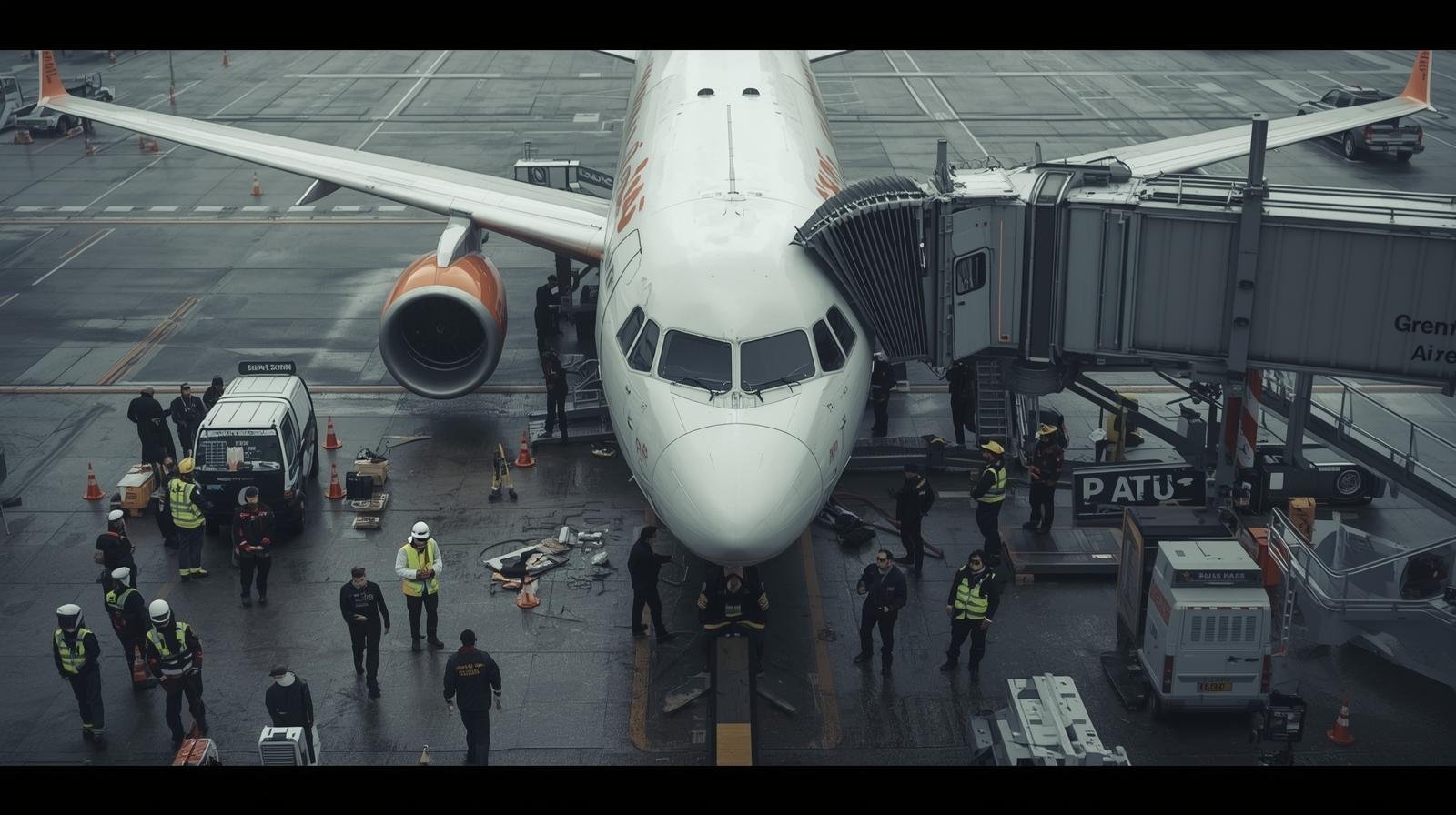
Air travel is considered one of the safest modes of transportation, yet when an emergency is declared mid-air, it instantly captures public attention. One such incident involved easyJet flight U22152, which declared an emergency while flying over Germany, leading to an unscheduled diversion. The event raised questions among passengers, aviation followers, and travelers about what really happened, why the emergency was declared, and how airlines manage such situations.
This detailed guide explains the easyJet U22152 emergency in Germany in a clear, human, and easy-to-understand way. We will cover the background of the flight, possible reasons behind the emergency declaration, aviation safety procedures, passenger experience, and what travelers should know when similar incidents occur.
Flight Overview: What Is easyJet U22152?
easyJet U22152 is a regularly scheduled international passenger flight operated by easyJet. The flight usually connects Istanbul with Manchester, carrying hundreds of passengers across European airspace. On the day of the incident, the aircraft was cruising normally when an unexpected situation developed while flying over Germany.
The aircraft operating the route was an Airbus A320, a narrow-body jet commonly used for short and medium-haul flights across Europe. The A320 is known for its strong safety record and advanced onboard systems, making it well-equipped to handle abnormal situations.
What Happened During the easyJet U22152 Emergency in Germany?
While cruising at high altitude over German airspace, the flight crew identified a situation serious enough to require immediate attention. As a result, the pilots declared an emergency, a formal aviation procedure used when safety could be affected.
Once the emergency was declared:
- Air traffic control was immediately informed
- The aircraft was given priority routing
- A diversion airport in Germany was selected
- Emergency services on the ground were alerted
The aircraft then began a controlled descent and diverted safely to a German airport instead of continuing to its original destination.
Why Was an Emergency Declared?
Although emergency declarations can sound alarming, they do not always mean a crash or major technical failure. In aviation, an emergency can be declared for several reasons, including:
- Medical issues involving passengers or crew
- Technical alerts requiring precautionary checks
- Cabin safety concerns
- Situations where continuing the flight may increase risk
In the case of easyJet U22152 emergency Germany, the airline later confirmed that the diversion was made as a precautionary measure, prioritizing safety over schedule.
Declaring an emergency allows pilots to land as quickly and safely as possible with full support from air traffic control and emergency teams.
How Emergency Diversions Work in Aviation
When a commercial aircraft declares an emergency, a well-defined process begins:
- Emergency Code Activated
The aircraft transmits a special emergency signal to air traffic controllers. - Priority Clearance
The flight receives immediate clearance to descend and land ahead of other traffic. - Diversion Airport Selection
Pilots choose the nearest suitable airport with proper runway length, weather conditions, and emergency facilities. - Emergency Services Standby
Firefighters, medical teams, and airport authorities prepare on the ground. - Safe Landing and Assessment
After landing, the aircraft is inspected, and assistance is provided where required.
This system ensures that even unexpected situations are handled in a calm and controlled manner.
Passenger Experience During the Emergency
For passengers onboard easyJet U22152, the experience was understandably stressful. When a flight diverts unexpectedly, travelers often feel confused or anxious. However, cabin crew are trained to manage such situations professionally.
Passengers were informed about the diversion, asked to remain seated, and reassured that the aircraft was landing safely. Once on the ground, passengers waited while authorities and airline staff handled the situation.
In many cases like this, passengers may experience delays, overnight stays, or rebooking. Airlines are responsible for providing assistance depending on the length of the delay and local regulations.
What Happened After Landing in Germany?
After landing safely in Germany, emergency teams assessed the situation. Once the issue was resolved, easyJet worked on arranging the next steps for passengers.
These steps typically include:
- Aircraft inspection
- Crew evaluation
- Passenger support and information
- Flight continuation or rebooking
Although delays are inconvenient, the priority remains safety. Airlines prefer to delay a flight rather than take any unnecessary risk.
Was Anyone Injured?
There were no reports of serious injuries among passengers. The emergency was handled professionally, and the aircraft landed safely without further incident. This outcome highlights the effectiveness of airline safety procedures and crew training.
How Common Are Emergency Diversions?
Emergency diversions are rare, considering the thousands of flights operating daily across Europe. However, they do happen occasionally due to medical, technical, or safety-related reasons.
Modern aircraft are equipped with advanced monitoring systems that detect irregularities early. Pilots are trained to act immediately rather than ignore warning signs. This proactive approach prevents minor issues from becoming serious problems.
Passenger Rights After an Emergency Diversion
Passengers affected by emergency diversions may have rights under aviation regulations, depending on circumstances. These rights may include:
- Meals and refreshments
- Hotel accommodation for overnight delays
- Rebooking or refunds
- Assistance at the airport
Compensation depends on whether the delay was within the airline’s control. Safety-related emergencies are often considered extraordinary circumstances.
easyJet’s Safety Standards and Procedures
easyJet operates under strict European aviation regulations and follows internationally recognized safety standards. The airline regularly trains its pilots and cabin crew to handle emergencies efficiently.
The easyJet U22152 emergency Germany incident demonstrates how airlines prioritize safety over punctuality. Declaring an emergency is not a failure it is a responsible decision made to protect everyone onboard.
Why This Incident Matters to Travelers
For frequent flyers, incidents like this offer reassurance rather than fear. They show that:
- Aircraft systems work as designed
- Crews follow clear safety protocols
- Airlines are prepared for unexpected situations
- Passenger safety comes first
Understanding how aviation emergencies are handled can help reduce anxiety when traveling.
Key Takeaways from the easyJet U22152 Emergency Germany
- The flight diverted as a precautionary safety measure
- Emergency declarations are part of normal aviation safety procedures
- Passengers were not in immediate danger
- The aircraft landed safely in Germany
- Airline and airport teams handled the situation professionally
Final Thoughts
The easyJet U22152 emergency in Germany highlights the strength of modern aviation safety systems. While emergency declarations may sound alarming, they are often precautionary decisions designed to ensure the safest possible outcome.
For passengers, the incident serves as a reminder that safety always outweighs schedule concerns. For airlines, it reinforces the importance of training, preparation, and quick decision-making.
Flying remains extremely safe, and incidents like this prove that when unexpected situations arise, the aviation industry is ready to respond effectively.