
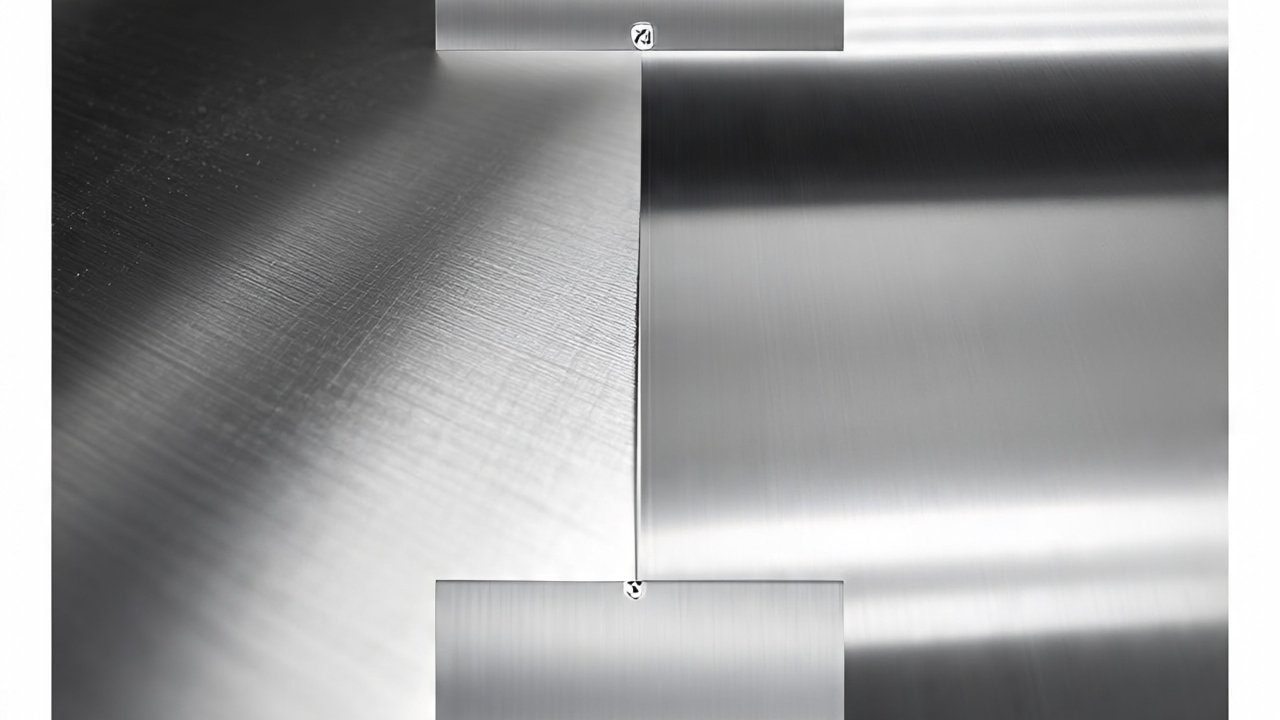
Stainless steel looks modern, clean, and professional. You see it in kitchens, appliances, railings, tools, automotive parts, elevators, and industrial equipment. However, fingerprints, scratches, oxidation, and dullness can quickly ruin its shine. If you want to restore brilliance and protect the surface, you must learn how to polish stainless steel correctly.
In this complete guide, you will discover:
- What stainless steel really is
- Why stainless steel loses shine
- Tools and materials needed
- Step-by-step polishing methods
- How to remove scratches
- How to get a mirror finish
- Common mistakes to avoid
- Maintenance tips for long-lasting shine
Let’s get started.
What Is Stainless Steel?
Stainless steel is a corrosion-resistant metal alloy made primarily of iron, chromium, and sometimes nickel. The chromium content forms a protective layer that prevents rust and oxidation.
Different grades serve different purposes. Common grades include:
- 304 stainless steel (most common for kitchens)
- 316 stainless steel (marine environments)
- 430 stainless steel (appliances)
Although stainless steel resists rust, it can still become dull, scratched, or stained over time.
Why Stainless Steel Loses Its Shine
Even high-quality stainless steel can lose its polished appearance due to:
- Fingerprints
- Water spots
- Grease buildup
- Scratches
- Oxidation
- Improper cleaning methods
Using harsh chemicals or steel wool can damage the protective chromium layer.
Understanding the cause helps you choose the right polishing method.
Types of Stainless Steel Finishes
Before polishing, identify the finish type.
1. Brushed Finish
Has visible grain lines running in one direction.
2. Satin Finish
Soft sheen with subtle grain.
3. Mirror Finish
Highly reflective surface.
4. Matte Finish
Low shine, non-reflective.
Always polish with the grain, especially on brushed and satin finishes.
Tools and Materials Needed
To polish stainless steel effectively, gather:
- Microfiber cloths
- Mild dish soap
- Warm water
- White vinegar
- Baking soda
- Olive oil or mineral oil
- Commercial stainless steel polish
- Sandpaper (400–2000 grit for scratch removal)
- Polishing compound
- Buffing wheel (for power polishing)
- Protective gloves
Choose tools based on the level of polishing required.
Method 1: Basic Cleaning and Light Polishing
This method works best for minor dullness and fingerprints.
Step 1: Clean the Surface
Mix warm water with mild dish soap. Wipe the surface using a microfiber cloth.
Step 2: Rinse and Dry
Rinse with clean water and dry immediately to prevent water spots.
Step 3: Apply Vinegar
Spray white vinegar onto the surface. Wipe with a clean cloth along the grain.
Step 4: Polish with Oil
Apply a few drops of olive oil or mineral oil to a cloth. Rub gently along the grain.
This restores shine quickly and safely.
Method 2: Removing Tough Stains
For stubborn marks:
Baking Soda Paste
Mix baking soda with water to create a thick paste.
- Apply gently
- Rub with soft cloth
- Rinse thoroughly
- Dry completely
Avoid scrubbing aggressively.
Method 3: Removing Scratches from Stainless Steel
Scratches require more advanced polishing.
Step 1: Identify Scratch Depth
- Light surface scratch: fine sandpaper (1000–2000 grit)
- Deeper scratch: start with 400–600 grit
Step 2: Sand With the Grain
Always move in the direction of the grain.
Step 3: Gradually Increase Grit
Move to finer grit to smooth the surface.
Step 4: Apply Polishing Compound
Use metal polish and buff with a cloth or buffing wheel.
This method restores smoothness and shine.
How to Achieve a Mirror Finish
If you want a highly reflective surface:
Step 1: Sand Progressively
Use multiple grit levels:
- 400
- 800
- 1200
- 1500
- 2000
Each step removes scratches from the previous grit.
Step 2: Apply Metal Polishing Compound
Use a high-quality polishing compound.
Step 3: Use a Buffing Wheel
Attach a buffing pad to a drill or bench grinder.
Step 4: Final Buff
Polish until you see a clear reflection.
Industrial manufacturers often use professional buffing systems made by companies like 3M and DeWalt for high-quality finishing.
Commercial Stainless Steel Polish vs DIY Solutions
DIY Solutions:
- Affordable
- Eco-friendly
- Good for maintenance
Commercial Polishes:
- Stronger shine
- Protective coating
- Longer-lasting finish
Choose based on your needs.
Polishing Stainless Steel Appliances
Kitchen appliances need gentle care.
Common appliances include:
- Refrigerators
- Dishwashers
- Ovens
- Microwaves
Always:
- Follow grain direction
- Avoid abrasive pads
- Dry immediately
Polishing Stainless Steel Sinks
Sinks face heavy wear.
Steps:
- Clean thoroughly
- Remove water spots
- Apply baking soda
- Rinse and dry
- Buff with oil
This restores brightness and protects against future staining.
Polishing Stainless Steel Railings
Outdoor railings may oxidize.
Use:
- Mild cleaner
- Fine sandpaper for rust spots
- Protective polish coating
Marine environments require extra protection.
Common Mistakes to Avoid
Avoid these errors:
- Scrubbing against the grain
- Using steel wool
- Applying bleach
- Leaving water to air dry
- Using abrasive sponges
These damage the surface permanently.
How Often Should You Polish Stainless Steel?
For household use:
- Light polish weekly
- Deep polish every 3–6 months
For industrial equipment:
- Monthly maintenance
- Professional polishing annually
Regular care prevents major damage.
Safety Tips When Polishing
Always:
- Wear gloves
- Use eye protection during sanding
- Work in ventilated area
- Follow manufacturer instructions
Power tools require extra caution.
How to Maintain Shine After Polishing
To keep stainless steel shiny:
- Wipe spills immediately
- Avoid chlorine cleaners
- Use microfiber cloths
- Apply protective polish periodically
Consistent maintenance reduces the need for heavy polishing.
Eco-Friendly Stainless Steel Polishing Options
If you prefer natural solutions:
- Vinegar
- Baking soda
- Lemon juice
- Olive oil
These options clean effectively without harsh chemicals.
Frequently Asked Questions
Can you polish stainless steel to look like chrome?
Yes, with progressive sanding and buffing, you can achieve a mirror-like finish.
Does vinegar damage stainless steel?
No, when used properly and rinsed afterward.
Can toothpaste polish stainless steel?
Mild toothpaste may help remove light scratches.
Can stainless steel rust?
Yes, under extreme conditions or if protective layer is damaged.
Final Thoughts
Learning how to polish stainless steel helps you maintain a clean, professional appearance in your home or workplace. Whether you use simple household items or advanced buffing tools, proper technique makes all the difference.
Always clean first, polish with the grain, and protect the surface afterward. With consistent care, stainless steel can remain bright and beautiful for years.
If you follow this guide carefully, you can restore dull metal to a brilliant shine without professional help.