
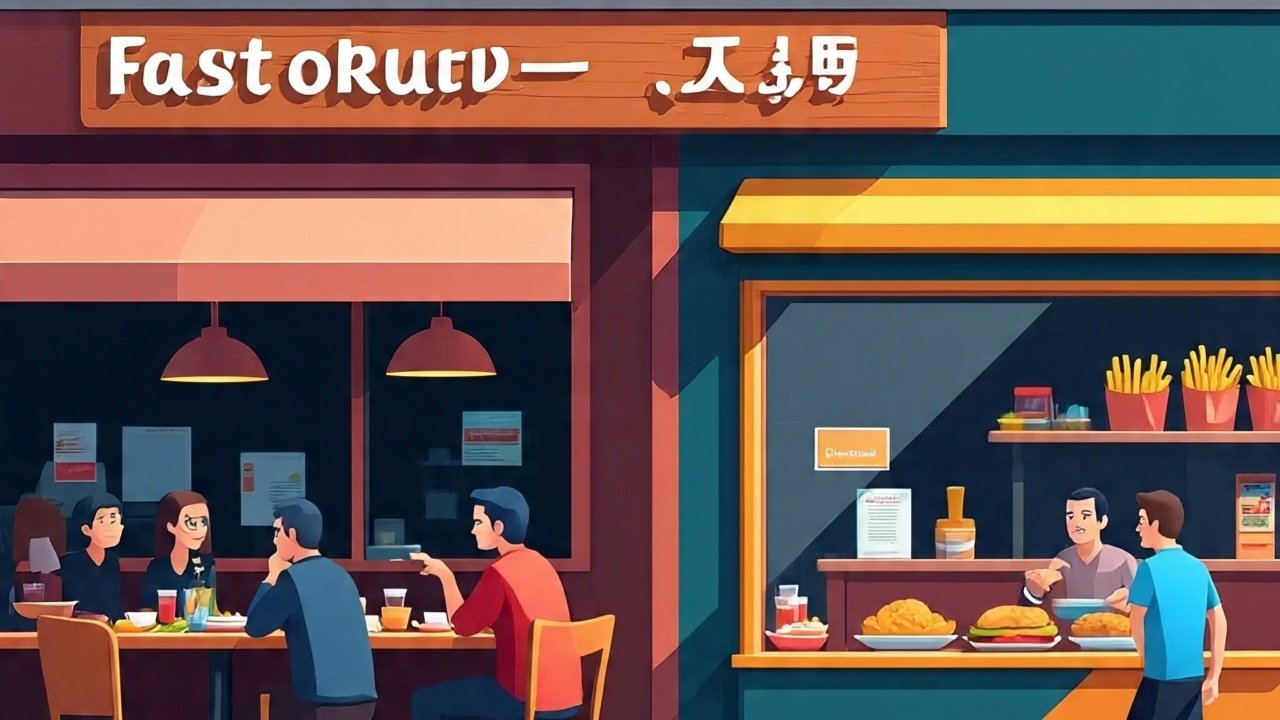
When hunger strikes, most people face a simple question: restaurant or fast food? Both options offer convenience and variety, but they provide very different dining experiences. Some people prefer the quick service and affordable pricing of fast food, while others enjoy the atmosphere and quality associated with restaurants.
In this complete guide, we explore the differences between restaurant dining and fast food, including cost, quality, health factors, service style, and which option suits different lifestyles.
What Is a Restaurant?
A restaurant is a place where customers sit down and enjoy meals prepared by chefs. Restaurants focus on atmosphere, presentation, and personalized service. From casual dining spots to fine dining establishments, restaurants often create memorable experiences.
Well-known restaurant brands include:
- Olive Garden
- The Cheesecake Factory
- Outback Steakhouse
Restaurants typically offer:
- Table service
- Larger menus
- Freshly prepared meals
- Comfortable seating
- A relaxed environment
Dining at a restaurant is often about more than just eating it’s about enjoying time with friends or family.
What Is Fast Food?
Fast food focuses on speed, affordability, and convenience. Customers order at a counter or drive-thru and receive their food quickly. Meals are usually pre-prepared or cooked in bulk for efficiency.
Popular fast food chains include:
- McDonald’s
- KFC
- Burger King
Fast food restaurants offer:
- Quick service
- Budget-friendly meals
- Standardized menus
- Drive-thru convenience
- Limited waiting time
This option works best for busy individuals who need a quick meal during work or travel.
Restaurant vs Fast Food: Key Differences
1. Speed of Service
Fast food clearly wins in speed. Orders are prepared within minutes. Restaurants take longer because chefs cook meals fresh and serve customers at their tables.
If you are in a hurry, fast food is practical. If you have time, a restaurant provides a more relaxed experience.
2. Food Quality
Restaurants usually focus on higher-quality ingredients and detailed preparation. Chefs often prepare meals from scratch.
Fast food emphasizes consistency and mass production. While taste can still be good, the focus is on speed rather than culinary creativity.
3. Price Comparison
Fast food is generally cheaper. Combo meals cost less than full restaurant dinners.
Restaurants charge more due to:
- Table service
- Ambience
- Higher ingredient quality
- Staff wages
However, restaurants may offer better value for special occasions.
4. Dining Experience
Restaurants provide atmosphere soft lighting, music, and comfortable seating. Many people choose restaurants for birthdays, meetings, or celebrations.
Fast food focuses on practicality. Seating is basic, and turnover is quick.
Health Considerations
Health plays a big role when choosing between restaurant or fast food.
Fast Food Health Factors
- Often high in sodium and fats
- Large portion sizes
- Fried menu options
However, many chains now offer salads, grilled items, and healthier alternatives.
Restaurant Health Factors
Restaurants may offer more balanced meals with fresh vegetables and lean proteins. But portion sizes can also be large and calorie-dense.
Ultimately, both options can be healthy or unhealthy depending on your choices.
Convenience and Accessibility
Fast food locations are widely available in cities and highways. Drive-thru services make them highly accessible.
Restaurants may require reservations, especially on weekends. Parking and waiting times can vary.
If convenience is your top priority, fast food usually wins.
Social and Family Dining
Restaurants encourage conversation and bonding. Families can sit comfortably and spend time together.
Fast food works well for quick family meals but may not provide the same relaxed atmosphere.
For dates or celebrations, restaurants are usually preferred.
Business Perspective
From a business viewpoint, fast food operates on high volume and low margins. Efficiency is key.
Restaurants often focus on branding, quality, and customer loyalty. Profit margins may depend on premium pricing and repeat visits.
Both business models can succeed when managed properly.
Modern Trends: Blending Both Worlds
The line between restaurant and fast food is becoming blurred. Many fast-casual chains combine speed with better ingredients.
For example:
- Fast-casual burger spots offer gourmet-style burgers quickly.
- Salad chains provide customizable healthy meals in minutes.
Consumers now expect quality and speed together.
Which One Should You Choose?
The answer depends on your situation:
Choose fast food if:
- You are in a hurry
- You need a budget-friendly meal
- You want quick takeaway
Choose a restaurant if:
- You want a relaxed atmosphere
- You are celebrating an event
- You prefer freshly prepared dishes
There is no universal winner both serve different needs.
Final Thoughts
The debate between restaurant or fast food depends on lifestyle, budget, time, and personal preferences. Fast food offers speed and affordability, while restaurants provide quality, atmosphere, and experience.
Understanding your priorities helps you make the right choice. Whether grabbing a quick burger on the go or enjoying a sit-down dinner with loved ones, both options play an important role in modern dining.