
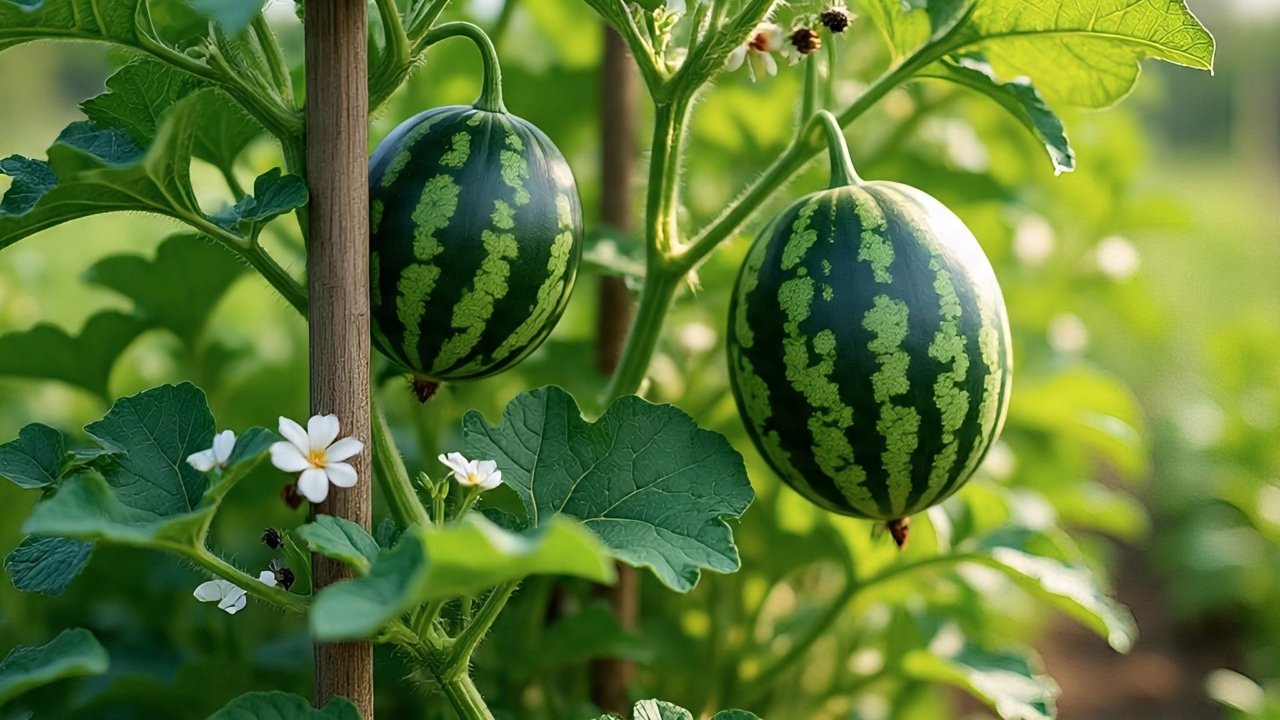
Sugar Baby watermelon is one of the most popular small watermelon varieties in home gardens. Gardeners love it because it grows quickly, produces manageable fruit sizes, and delivers incredibly sweet flavor. If you want a compact watermelon that fits perfectly in small gardens or even raised beds, Sugar Baby watermelon is an excellent choice.
This guide covers everything you need to know about planting, growing, harvesting, storing, and enjoying Sugar Baby watermelon. Whether you are a beginner gardener or an experienced grower, you will find practical tips to help you produce juicy, delicious melons.
What Is Sugar Baby Watermelon?
Citrullus lanatus is the botanical species behind all watermelons, and Sugar Baby watermelon is one of its most famous varieties. It belongs to the icebox watermelon category, meaning it produces smaller fruits that easily fit in the refrigerator.
Sugar Baby watermelon typically weighs between 6 to 10 pounds. It has:
- Dark green rind
- Deep red flesh
- Small black seeds
- Extremely sweet taste
Because of its compact size, families can cut and enjoy the entire fruit without worrying about leftovers. Many gardeners prefer it over larger varieties because it matures faster and requires less space.
Why Gardeners Love Sugar Baby Watermelon
Sugar Baby watermelon stands out for several reasons. It performs well in different climates and produces consistent yields when properly cared for.
1. Early Maturity
This variety matures in about 70 to 80 days. Compared to larger watermelon types, it ripens quickly. This makes it ideal for areas with shorter growing seasons.
2. Compact Growth
Although the plant still vines, it spreads less aggressively than giant watermelon varieties. It works well in small gardens, raised beds, and even large containers with proper support.
3. Exceptional Sweetness
Sugar Baby watermelon earns its name from its high sugar content. When fully ripe, the flesh tastes crisp, juicy, and intensely sweet.
4. Reliable Yield
With good soil and proper sunlight, each plant can produce multiple melons in one season.
Ideal Growing Conditions for Sugar Baby Watermelon
If you want strong, healthy vines and sweet fruit, you must provide the right growing environment.
Warm Weather Is Essential
Sugar Baby watermelon thrives in warm temperatures. The ideal soil temperature for planting is at least 70°F (21°C). Air temperatures between 75°F and 90°F encourage strong growth.
Full Sunlight
Plant Sugar Baby watermelon in a location that receives at least 6 to 8 hours of direct sunlight daily. More sunlight usually means sweeter fruit.
Well-Drained Soil
Watermelon roots dislike soggy soil. Choose sandy or loamy soil with good drainage. Mix compost into the soil before planting to improve fertility and structure.
How to Plant Sugar Baby Watermelon
Planting correctly increases your chances of a successful harvest.
Step 1: Start After Frost
Wait until the danger of frost has passed. Cold temperatures damage watermelon seedlings quickly.
Step 2: Prepare the Soil
Loosen the soil deeply and mix in organic compost. This provides nutrients and improves drainage.
Step 3: Direct Sowing
Plant seeds about 1 inch deep in small mounds or hills. Space hills about 3 to 4 feet apart. Place 2 to 3 seeds per hill and thin to the strongest seedling after sprouting.
Step 4: Water Gently
Keep the soil consistently moist but not waterlogged during germination.
Caring for Sugar Baby Watermelon Plants
Proper care ensures healthy vines and sweet melons.
Watering Schedule
Water deeply once or twice per week. Reduce watering slightly as fruits ripen. Less water near harvest increases sweetness.
Fertilizing
Use a balanced fertilizer early in growth. Once flowers appear, switch to a fertilizer higher in phosphorus and potassium to support fruit development.
Mulching
Add straw or organic mulch around plants. Mulch helps retain moisture, suppress weeds, and keep fruits clean.
Pollination and Flowering
Sugar Baby watermelon plants produce both male and female flowers. Bees play a crucial role in pollination. Without pollination, fruit will not develop properly.
Encourage pollinators by:
- Planting flowers nearby
- Avoiding heavy pesticide use
- Maintaining a healthy garden ecosystem
If pollination seems weak, you can hand-pollinate using a small brush.
Common Problems and Solutions
Even though Sugar Baby watermelon grows easily, you may face some challenges.
1. Yellow Leaves
Cause: Overwatering or nutrient deficiency
Solution: Improve drainage and adjust fertilization.
2. Small or Misshapen Fruit
Cause: Poor pollination
Solution: Encourage bees or hand-pollinate.
3. Cracked Melons
Cause: Inconsistent watering
Solution: Maintain steady moisture levels.
4. Pests
Common pests include aphids and cucumber beetles. Use organic pest control methods to protect plants safely.
How to Know When Sugar Baby Watermelon Is Ripe
Harvesting at the right time makes a big difference in taste.
Look for these signs:
- The underside (field spot) turns creamy yellow
- The tendril near the fruit stem turns brown and dry
- The melon sounds hollow when tapped
- The rind becomes dull instead of shiny
Cut the fruit from the vine with clean pruning shears.
Harvesting and Storage
After harvesting, store Sugar Baby watermelon in a cool place. Whole melons can last about 1 to 2 weeks in the refrigerator.
Once cut, wrap tightly and consume within 3 to 4 days for best flavor.
Nutritional Benefits of Sugar Baby Watermelon
Sugar Baby watermelon is not only delicious but also nutritious.
It contains:
- High water content (over 90%)
- Vitamin C
- Vitamin A
- Antioxidants
- Lycopene
Lycopene supports heart health and gives watermelon its rich red color. Regular consumption helps keep the body hydrated during hot weather.
Creative Ways to Enjoy Sugar Baby Watermelon
You can enjoy Sugar Baby watermelon in many refreshing ways.
Fresh Slices
The simplest way is slicing and serving chilled.
Smoothies
Blend watermelon cubes with mint and lime for a refreshing drink.
Fruit Salads
Combine watermelon with feta cheese and fresh herbs.
Frozen Treats
Freeze watermelon chunks for a healthy summer snack.
Growing Sugar Baby Watermelon in Containers
If you lack garden space, container growing works well.
Choose a container at least 18 to 24 inches wide. Use high-quality potting mix and ensure good drainage. Support vines with a trellis if space is limited.
Container-grown plants need more frequent watering and feeding.
Comparing Sugar Baby Watermelon With Other Varieties
Many watermelon varieties exist, but Sugar Baby remains a favorite because of its size and sweetness.
Compared to larger melons, it:
- Requires less space
- Matures faster
- Fits easily in refrigerators
- Produces manageable portions
This makes it ideal for small families.
Tips for Sweeter Sugar Baby Watermelon
If you want extra sweetness, follow these expert tips:
- Provide full sunlight
- Avoid overwatering near harvest
- Use potassium-rich fertilizer
- Harvest at peak ripeness
Proper timing makes the biggest difference in flavor.
Frequently Asked Questions (FAQ)
How long does Sugar Baby watermelon take to grow?
It typically matures in 70 to 80 days after planting.
How big does Sugar Baby watermelon get?
Most fruits weigh between 6 to 10 pounds.
Can I grow Sugar Baby watermelon in small gardens?
Yes, it is perfect for small spaces and raised beds.
Final Thoughts
Sugar Baby watermelon offers everything a home gardener wants: fast growth, manageable size, and incredible sweetness. With proper sunlight, consistent watering, and healthy soil, you can grow delicious melons right in your backyard.
Whether you enjoy it fresh, blended, or frozen, Sugar Baby watermelon brings refreshing flavor to hot summer days. If you want a reliable and rewarding crop, this classic variety deserves a spot in your garden.